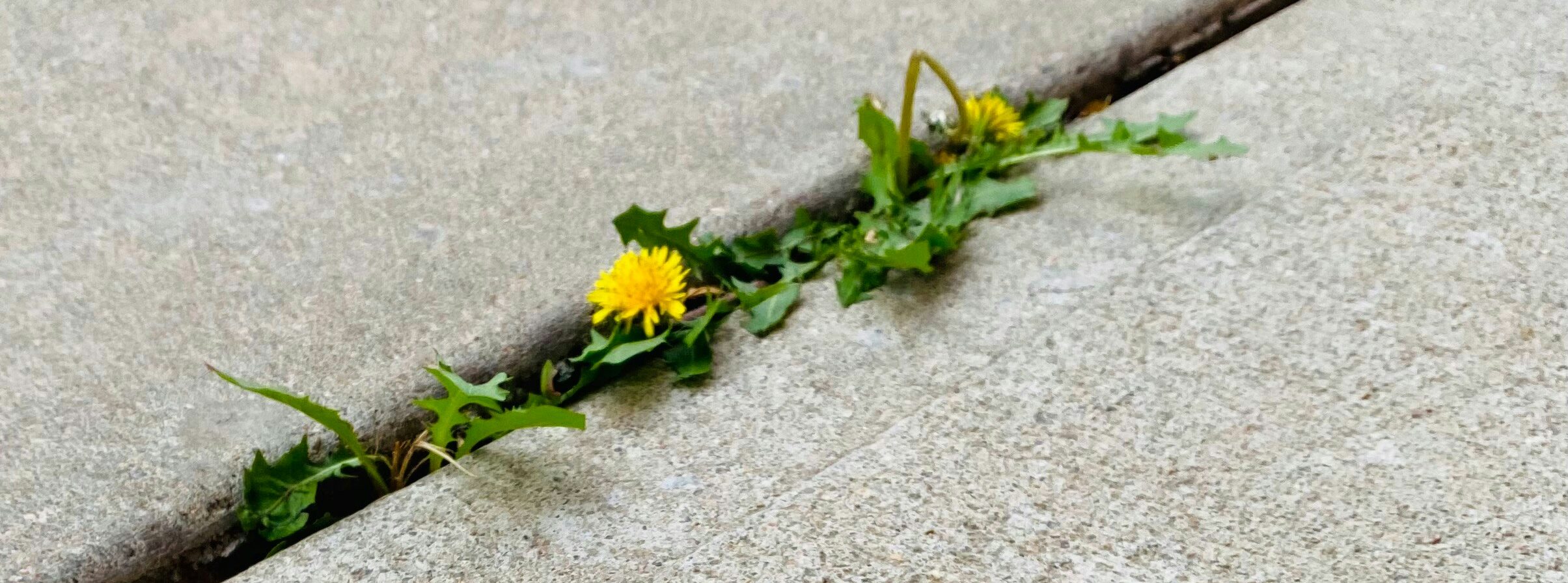
In intentional gatherings and shared digital environments, there is a deeply human desire to construct communities that feel entirely safe. People often seek out these enclaves to find refuge from the friction of the outside world, hoping for an environment free of judgment, misunderstanding, or conflict. However, the pursuit of “perfect safety” is ultimately an illusion. When individuals bring their unique lived experiences, unhealed wounds, and differing perspectives into a shared ecosystem, occasional friction is inevitable.
Historically, educational institutions and marginalized groups have championed the idea of the “safe space” as a necessary container for healing and connection. While the original intent of these environments was to provide physical and psychological protection from systemic harm, the modern interpretation has often drifted toward a demand for absolute emotional comfort. In practice, when safety becomes synonymous with comfort, community members frequently begin to avoid necessary conversations, retreating at the first sign of ideological disagreement to preserve a fragile, artificial peace.
Recognizing the limitations of this comfort-centric model, educators Brian Arao and Kristi Clemens formalized the concept of “Brave Spaces” in their seminal 2013 work, From Safe Spaces to Brave Spaces: A New Way to Frame Dialogue Around Diversity and Social Justice. They argued that authentic engagement inherently involves emotional risk, particularly when discussing sensitive issues of identity, privilege, and equity. By shifting the framework from safety to bravery, they proposed a model that prepares individuals for the “productive discomfort” required for genuine mutual understanding.
A core premise of a Brave Space is that communal growth can’t occur in a vacuum of perfect harmony. Bravery requires participants to acknowledge that they will inevitably make mistakes, cause unintended harm, and experience hurt from interpersonal interactions. Rather than framing these difficult moments as a failure of the space to provide safety to its participants; a Brave Space reframes these moments as both critical and expected opportunities for accountability, resilience, and deeper connection.
Arao and Clemens identified that the rules typically governing “safe spaces” often inadvertently prioritize the comfort of those in positions of privilege, or those seeking to avoid conflict. As they noted in their research, the very nature of this work requires friction, writing that “the language of safety can contribute to the entrenchment of dominance and subordination” by protecting people from the difficultness that real growth requires. By clinging to the illusion of safety, communities inadvertently stifle the exact dialogue needed to foster true equity.
To cultivate a Brave Space, community guidelines must actively shift away from conflict-avoidant ground rules. For example, the traditional safe space rule of “agree to disagree” is replaced with “controversy with civility,” acknowledging that while differing views are expected, they must be navigated with a commitment to working toward common solutions. Similarly, the rule of “don’t take things personally” is shifted to “own your intentions and your impact,” recognizing that the impact of our actions is not always congruent with our intentions.
This necessary transition requires a collective commitment to vulnerability and a willingness to decenter individual egos for the sake of the collective. As educational scholar Robert Boostrom argued in work cited by Arao and Clemens, “We have to be brave because along the way we are going to be ‘vulnerable and exposed’; we are going to encounter images that are ‘alienating and shocking’. We are going to be very unsafe”. It is a dynamic environment where individuals are expected to participate actively in their own unlearning, rather than passively demanding that the environment cater to their comfort.
Implementing Brave Spaces within a community requires members to redefine their fundamental relationship with discomfort and conflict. When a disagreement inevitably arises, the community must resist the urge to immediately shut down the conversation under the guise of “keeping the peace” or protecting someone’s safety. Instead, members are challenged to lean into the friction, employing active listening, distinguishing between a challenge to an idea and a personal attack, and trusting the foundational bonds of the community to hold the tension.
Navigating this tension successfully requires a continuous practice of open-mindedness, even when faced with unfamiliar or challenging perspectives. Management and organizational behavior academic Margaret Wheatley perfectly captured the mindset required for this work, stating, “Curiosity is what we need. We don’t have to let go of what we believe, but we do need to be curious about what someone else believes”. Brave Spaces serve as the necessary containers where this vital, curious dialogue can actually occur without the expectation that it will be entirely painless.
Ultimately, the shift from seeking safety to embracing bravery is an invitation to step into a more growth-focused and resilient form of community. It asks members to abandon the impossible, stagnant standard of a friction-free existence and instead commit to the messy, transformative work of doing life together. By choosing to exist in a Brave Space, we are making a powerful declaration: we value our collective growth, our mutual accountability, and our profound connections far more than we value our temporary comfort.
References
- Arao, B., & Clemens, K. (2013). From Safe Spaces to Brave Spaces: A New Way to Frame Dialogue Around Diversity and Social Justice. In L. M. Landreman (Ed.), The Art of Effective Facilitation: Reflections from Social Justice Educators (pp. 135-150). Stylus Publishing, LLC.
- Boostrom, R. (1998). Safe Spaces’: Reflections on an Educational Metaphor in Journal of Curriculum Studies, 30(4), 397-408
- Wheatley, M. J. (2002). Turning to One Another: Simple Conversations to Restore Hope to the Future. Berrett-Koehler Publishers.
- Palfrey, J. (2017). Safe Spaces, Brave Spaces: Diversity and Free Expression in Education. MIT Press.
- Sensoy, Ö., & DiAngelo, R. (2014). Respect Differences? Challenging the Common Guidelines in Social Justice Education in Discourse: Studies in the Cultural Politics of Education, 35(1), 1-19.
- Ali, D. (2017). Safe Spaces and Brave Spaces: Historical Context and Recommendations. NASPA Research and Policy Institute.
- Doornbosch, L. (2026). Brave Conversations Within Safe Spaces: Exploring Participant Behavior in Community Dialogues in Sociological Studies of Community.
Tags • Human Crafted, AI Support
Human Crafted, AI Support: the author created the final piece themselves, using AI strictly as a supportive tool (e.g., brainstorming, editing, researching).